Leak Repairs
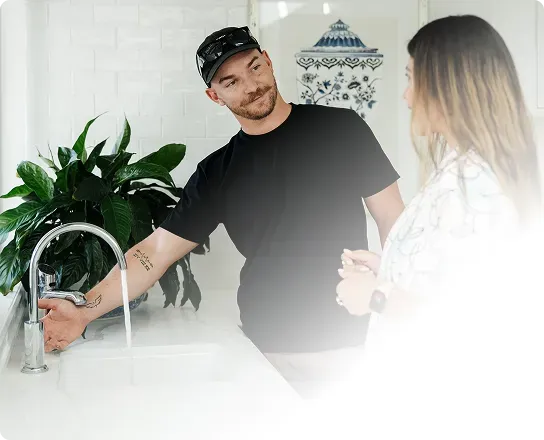
Trace, repair, retest. We find the failed joint or corroded pipe section, replace it, then pressure test the full run before your heaters and stoves are relit and signed off.
A whiff of gas inside is the one job you ring about from the footpath, never from inside the house. Plumbing Ascot holds a gasfitting licence under QBCC No: 15024607 and attends suspected leaks across the suburb and its neighbouring streets.
If we're late, $100 comes off your bill

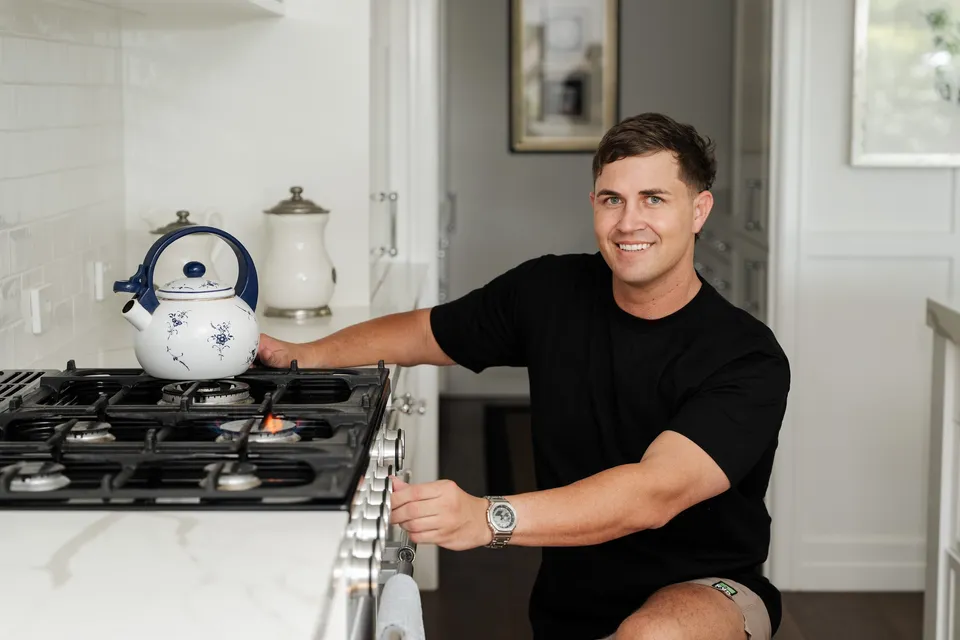
Do these in order and do nothing else:
People and pets, across the road and well clear of the house.
Not from a room, not from the garage.
No light switches, no fans, no flames, no starting a car near the house.
Everything else on this page waits until you are safe on the footpath.
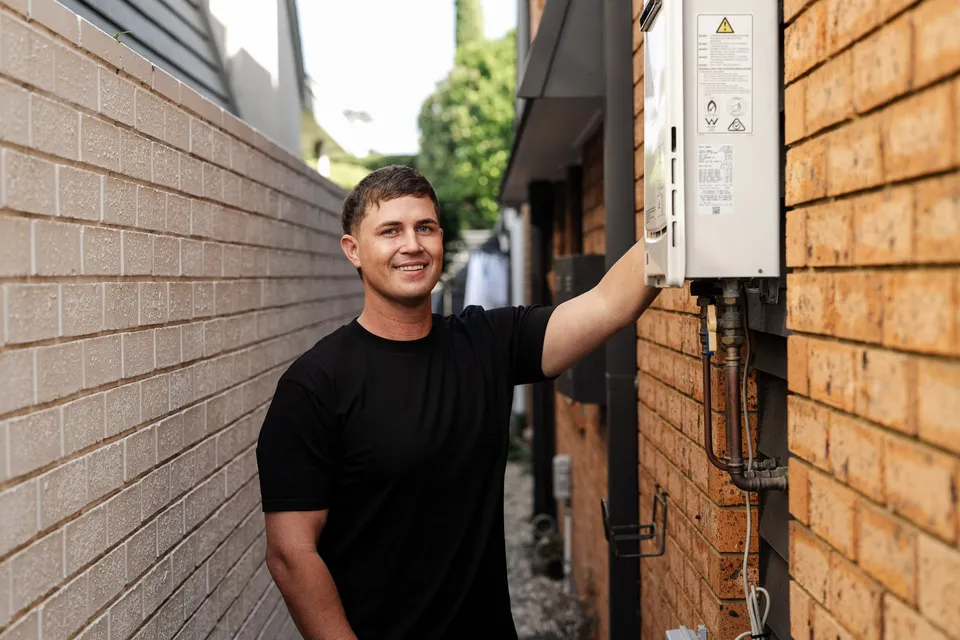
Natural gas reaches heaters, stoves and hot water systems under pressure. The odour is added at the source as a warning, so any whiff tells you gas is getting out where it should not be.
Anywhere in the line. A leak can sit at a fitting, along a corroded run of pipe, or at an appliance connection, and the fix always starts the same way: isolate the supply, test the line, find the fault.
Whether the job is a minor repair or a major undertaking:
A heater or stove valve that seeps slightly while off is often the whole problem, and it is a small repair.
Old flares, unions and bayonet sockets loosen and perish over decades, and each one is a pressure point in the line.
Copper and galvanised lines under old houses age at the joints first, and a pinhole can open where nobody looks.
The biggest job: a run crushed or shifted below paving, which takes tracing and digging to reach.
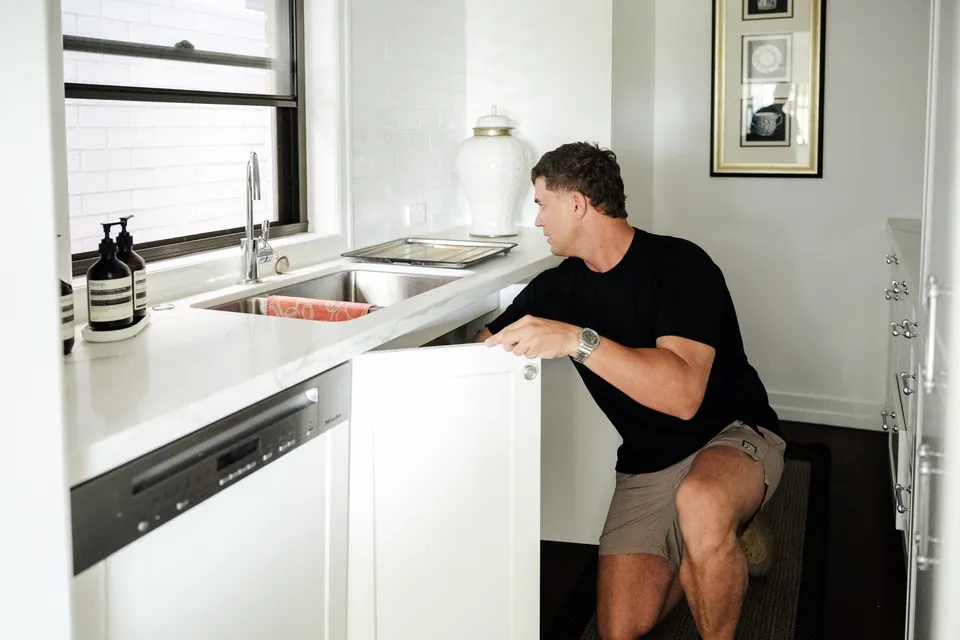
Almost nothing, and that is deliberate. Do not go looking for a gas leak, and never test anything with a flame.
Two things help us. From across the road, notice whether the smell is stronger near the meter box than at the front door, and whether anyone felt dizzy or headachy before leaving. Both point us at the right place to start.
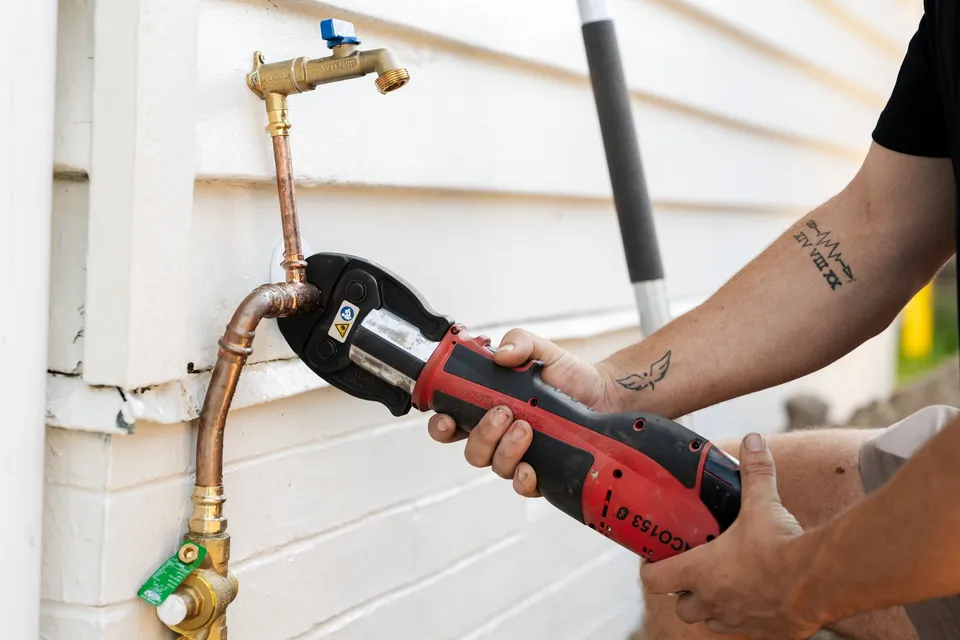
Call (07) 3067 4289 for any smell of gas, indoors or out, faint or strong. A faint whiff near a stove that has been off all day still gets the same isolation and pressure test as a strong one.
After appliance work too. Ring us as well once a heater or stove has been moved, replaced or reconnected, because a line that was sound before the work is not proven sound after it. Our Ascot home page lists the rest of the trades we run if the problem turns out not to be gas at all.

The meter tap gets closed from outside where the layout allows, so nothing is flowing while anybody works.
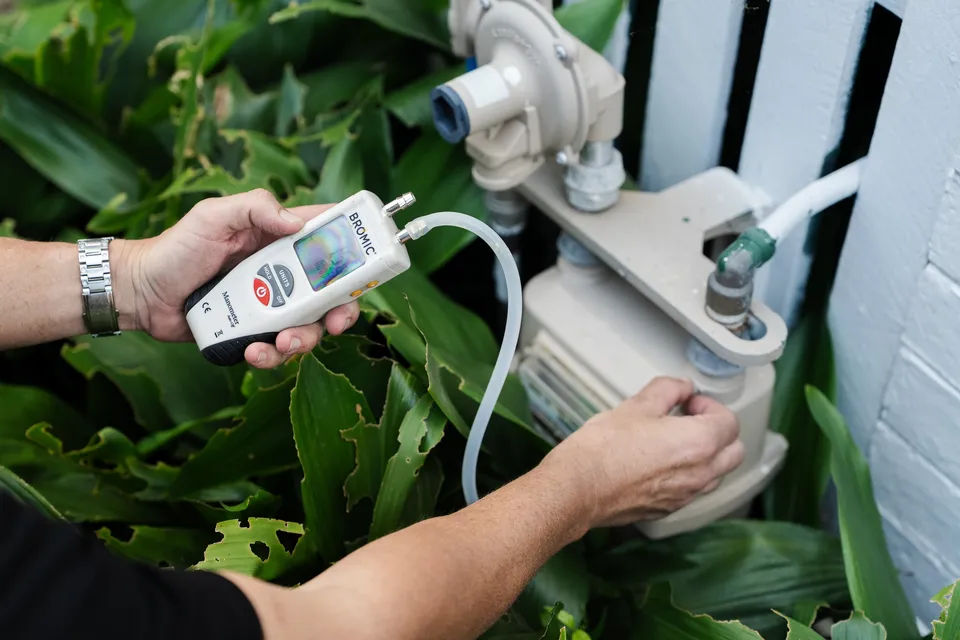
A pressure test on the line tells us whether it holds or loses pressure, and narrows down where the escape sits. From there it is trace, repair or replace, test again, and relight your appliances only once the run holds.
Day-to-day gas work like new heaters and bayonet points sits on our gas fitting page.
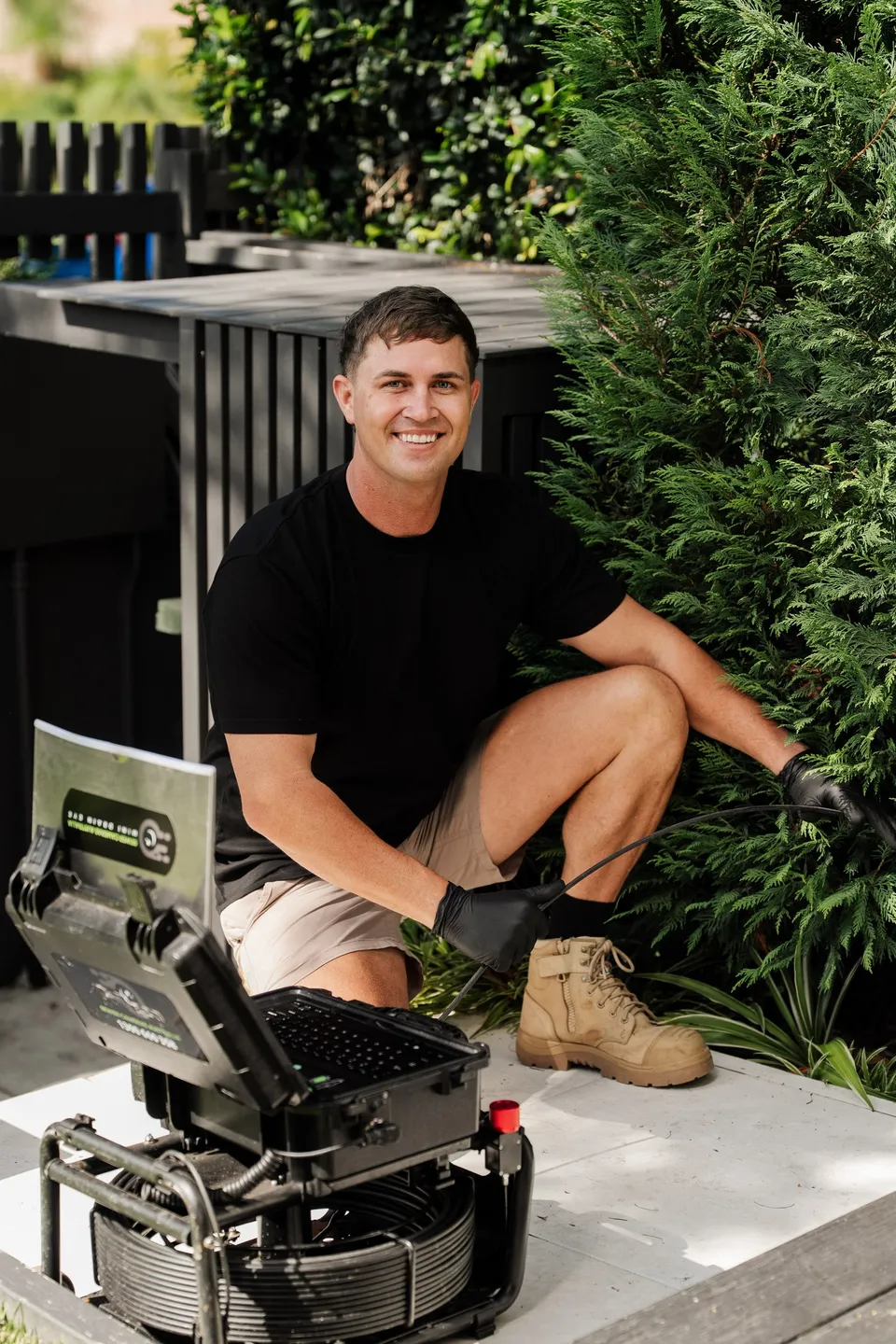
The suburb's houses are largely interwar in date, timber Queenslanders on generous blocks, so gas lines were often added later beneath the floor, where fittings corrode unseen.
A big block on Alexandra Road or Upper Lancaster Road means a long pipe from the meter to a rear kitchen or heater, and every fitting along it is a place to start looking.
The unit buildings close to the station stack apartments over shared pipework, so one leaking fitting can touch several households before anyone names it.
Every gas job we run starts with the supply isolated and finishes with the line holding pressure, so the repair is proven before the gas goes back on:
Trace, repair, retest. We find the failed joint or corroded pipe section, replace it, then pressure test the full run before your heaters and stoves are relit and signed off.
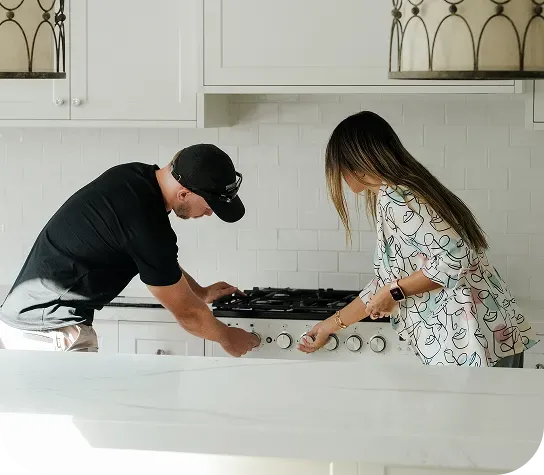
Valves, burners, connections. Stoves, heaters and gas hot water units get their controls checked and repaired, and every reconnection is pressure tested before the appliance goes safely back into service.
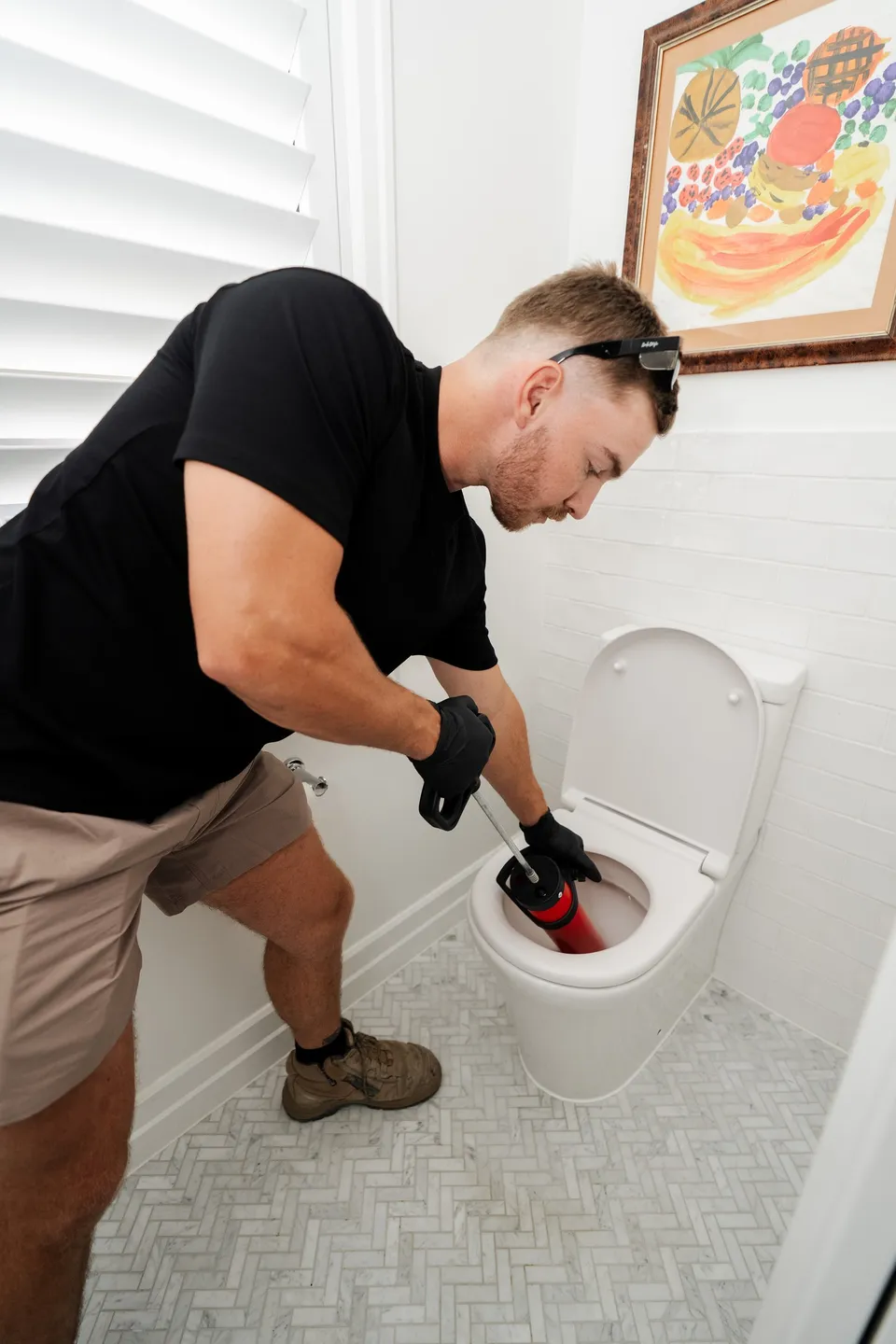
Sized and tested. Fresh runs to heaters, kitchens and outdoor barbecues are sized to the appliance, laid with slope in mind, tested end to end and quoted before work starts.
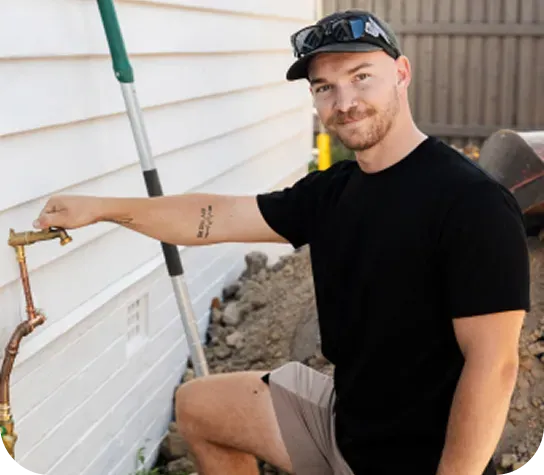
The gauge decides. A meter dial that keeps dropping tells you the run is losing pressure somewhere along its length, and the test narrows the search to one section instead of the whole house.
$0 call-out fees, available 24/7, and same-day where we can.

Four calls come up again and again, and each one has a different fix behind it:
Usually the appliance. A faint odour around a stove generally means a worn valve or loose connection at the unit rather than the main line, and both are quick repairs once isolated.
Isolate there first. A hiss at the meter box points to a fault at the connection itself, so we shut that side down and test the line both ways before any repair starts.
Test before digging. A patch of dead grass along a pipe run can mark a slow leak below it, and the test gauge confirms the fault before anyone digs, which keeps the excavation small.
Replace, not patch. Copper and galvanised runs under old houses corrode at the fittings first, and when the test shows the run will not hold, the corroded section gets swapped out rather than patched.
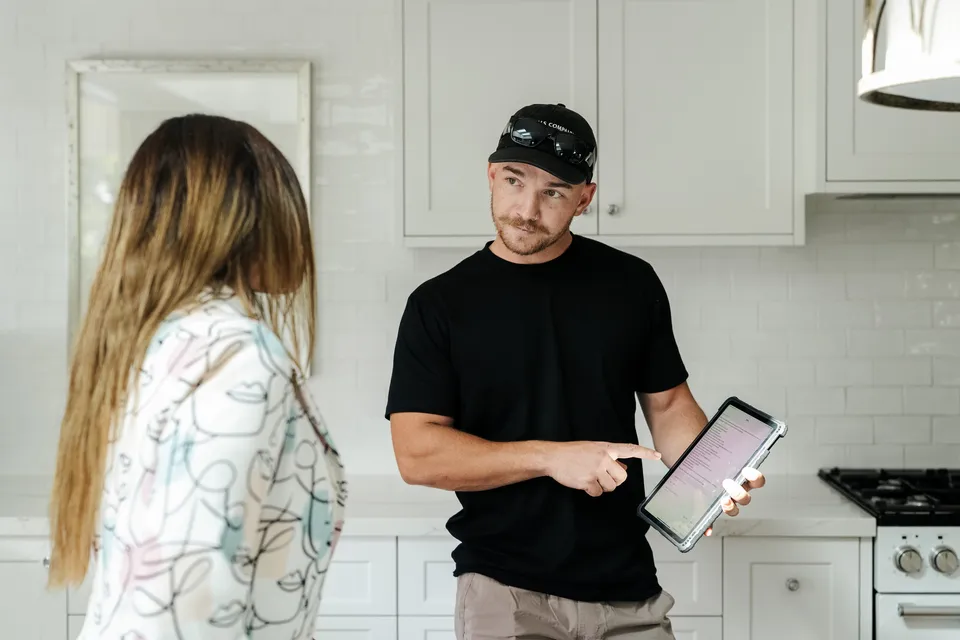
Gas work is the one trade where guessing is never acceptable, and the reason is simple: the test proves the line, not the repair.
Odour tells you gas is somewhere, not where, and a leak can travel under a floor before it reaches your nose, so the gauge comes before any diagnosis.
Perished hose and corroded flares are quick to swap while we are already on site, so we test the whole run, not just the fitting you called about.
Appliances go back on only after the run holds pressure, with every burner checked, so you are not left testing anything yourself.

Call (07) 3067 4289 and explain what's happening in Ascot. A few quick questions let us load the right parts for the first visit.
Flat-rate pricing with no hidden fees, agreed before any work starts. Once you approve it, we get going.

We close the meter tap, attach the test gear and trace the leak to its source, then repair or replace the failed section and retest the full run.
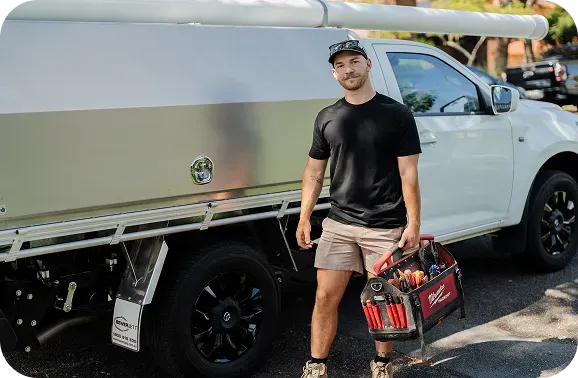
Use card or EFTPOS on site when the job is finished, or ask us about Fix now, pay later.
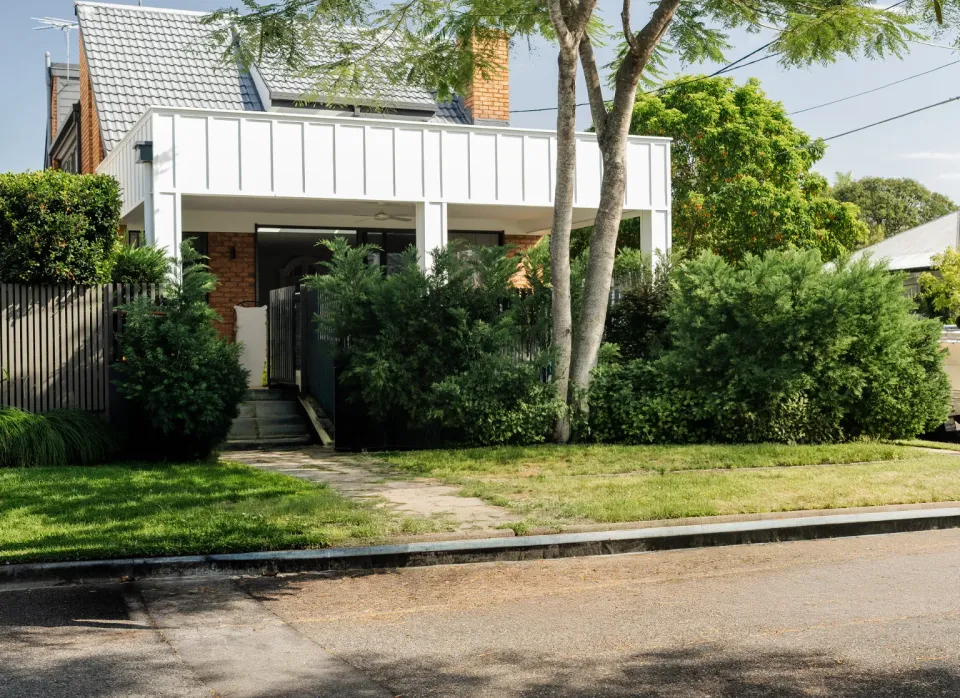
Whichever call it turns out to be, the sequence on site never changes: isolate, test, repair, retest.
Jobs in Ascot come with zero call-out fees, and there's no extra fee for nights, weekends or public holidays.
The work is backed by our Fix-It-or-It's-Free guarantee (T&Cs apply), and if we're late, $100 comes off your bill.
Every job is handled by a licensed plumber under QBCC No: 15024607, with a lifetime labour warranty on the labour.
Locally owned and operated, licensed and insured, with flat-rate pricing.
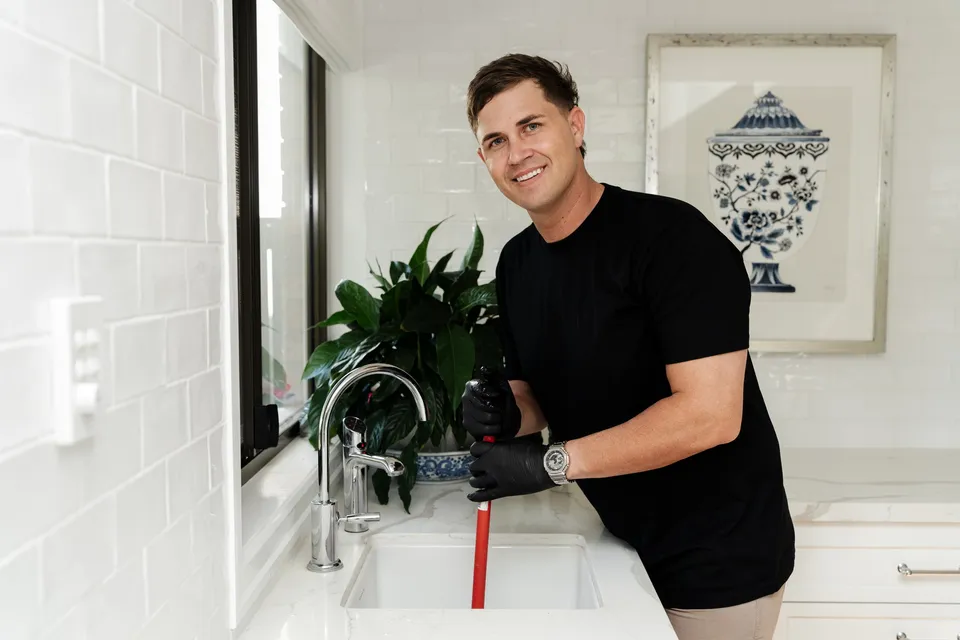
We also work Hendra, Hamilton, Albion and Clayfield, so a plumber carrying gasfitting gear is never far from your street.
Yes, any whiff inside or near the house means leave first and ring from the street, because gas in the underfloor space of a timber Queenslander is a licensed gasfitter's job.
Mostly repaired, because a single failed joint or corroded section is fixable, and only a run that will not hold pressure end to end needs replacing, which we quote in writing first.
It can, because a dry drain in an unused bathroom smells sulphurous too, though gas odour hangs near appliances and meter boxes, and we confirm which once you are clear of the building.
Yes, stoves, heaters and bayonet outlets are all gas work covered by our licence, and each line is pressure tested before any appliance goes back on and gets relit by us.
Yes, an extension or kitchen refit is the right moment because the walls open and old runs become reachable, so we test the line and quote any pipe that needs replacing.
Call (07) 3067 4289, tell us where the odour is worst and if anybody remains indoors, and we will book your appointment, providing the fixed quote ahead of any work and accepting card or EFTPOS payment on site.
Pick up the phone and call (07) 3067 4289. We're available 24/7, there are $0 call-out fees and flat-rate pricing on Ascot jobs, and we work under QBCC No: 15024607, same-day if we can.
Toilets overflowing, burst pipes and cold showers sit alongside this page on the emergency plumbing page.
To claim your $0 call-out fee, call (07) 3067 4289 today.